Bonn MPA Binary Interface
We are developing a new interface for the Bonn-MPA binary evolution models (Web repository) ↗ to improve its usability and accessibility.
Studying the lives and deaths of massive stars.

Hello! I am Harim Jin, a postdoc at the Max Planck Institute for Astrophysics in Garching, Germany, working with Prof. Selma E. de Mink and the stellar group.
My research focuses on the lives and deaths of massive stars. I use MESA stellar evolution code and STELLA supernova simulation code.
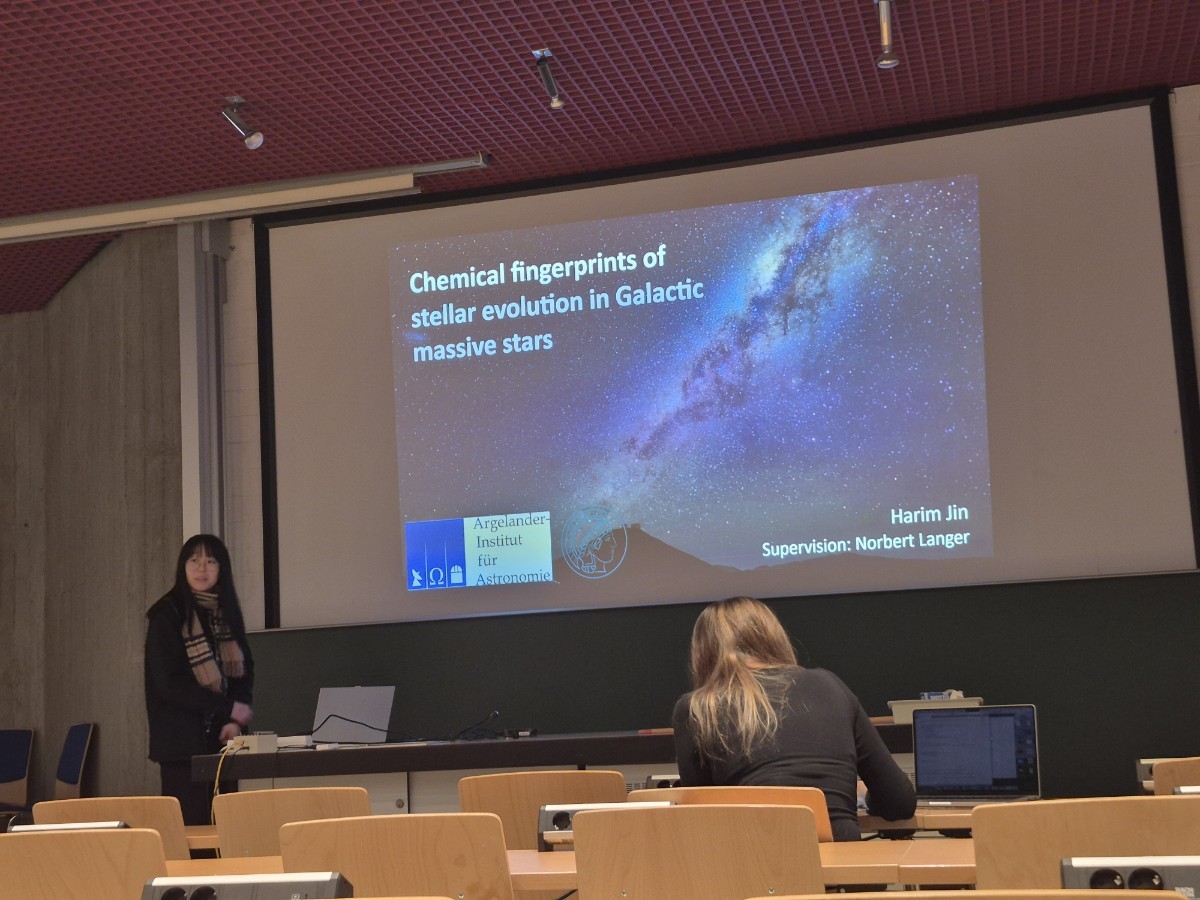
Before starting my postodc, I completed my PhD at University of Bonn, where I worked on massive binary evolution under the supervision of Prof. Norbert Langer.
Outside of research, I enjoy playing the piano. Feel free to reach out — I'm always happy to chat about science or share a coffee.
How massive stars live, interact, and end their lives — especially in binary systems.
How we can use core collapse supernovae to understand massive star physics.
Optimizing the publication and sharing of astrophysical data.
We are developing a new interface for the Bonn-MPA binary evolution models (Web repository) ↗ to improve its usability and accessibility.

We found that Type Ib and Ic supernovae differ in optical colors when they are optically brightest, which stems from progenitor chemical structures.

A comprehensive grid of binary star evolution models, covering a wide range of initial binary parameters, to be used for various applications in stellar astrophysics.

Boron is a sensitive tracer of internal mixing processes and binary interactions in stars. We investigated how boron can be used to identify potential merger products among massive stars.
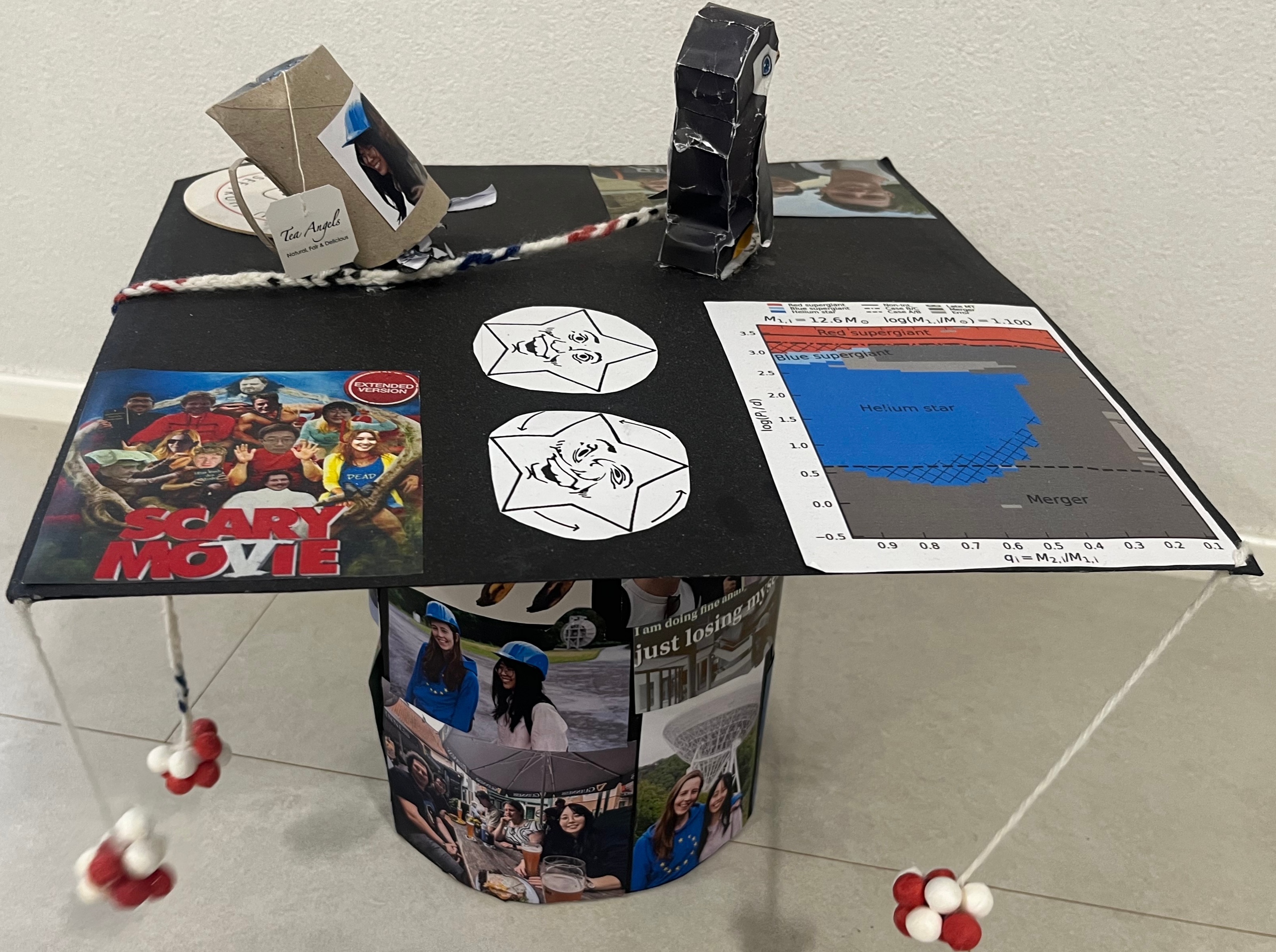
A few snapshots in and out of the workplace.